
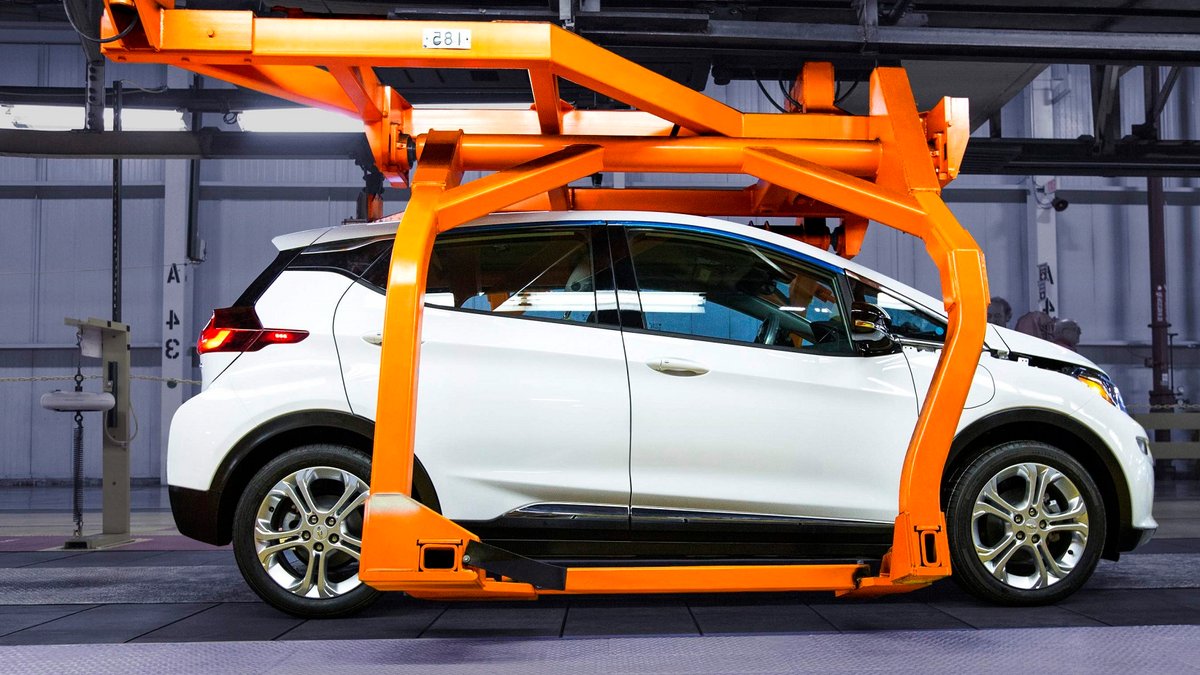
General Motors is shifting its focus toward electric and autonomous vehicles, even as it falls short of an earlier target for electrified cars on U.S. roads. The company announced it won’t reach the goal of 500,000 electrified vehicles by next year but continues expanding its lineup of fuel-efficient and electric models.
In its 2015 Sustainability Report, released last month, GM explained the 2017 target was missed because of low gas prices and a competitive electric vehicle market. The automaker still plans to double the number of models rated at 40 mpg or better on the highway by next year and is already ahead of schedule.
By 2015, GM had 196,861 hybrid, plug-in hybrid, and all-electric vehicles on U.S. roads, an increase from 180,834 the previous year. The count includes every electrified model since 2010, from mild hybrids to full battery-electric cars. The second-generation Chevrolet Volt and Malibu Hybrid helped boost those numbers, though not enough to close the gap.
David Tulauskas, GM’s director of sustainability, said low gas prices in the U.S. are temporary. The company is preparing for higher fuel costs in Europe and China, where demand for efficient vehicles remains strong. New models like the 200-mile Chevrolet Bolt EV and the Cadillac CT6 Plug-In Hybrid, debuting later this year, reflect this strategy.
Ridesharing and autonomous driving may change how people use vehicles, and GM aims to stay ahead. Companies like Uber and BMW have suggested self-driving cars paired with shared mobility could reduce traditional car ownership. GM is already moving in that direction.
Related: CATL and Nio to build biggest EV battery swap network
The automaker is testing alternatives to traditional sales. Through its Maven brand, GM runs carsharing services in New York City and Ann Arbor, Michigan, with plans to expand to Boston, Chicago, and Washington, D.C. by year’s end. It also launched a short-term rental program for Lyft drivers in Chicago earlier this year, a result of its partnership with the ridesharing service.
GM’s investment in Lyft and its acquisition of Cruise Automation, a self-driving technology developer, show its broader strategy. The company has begun testing autonomous Chevy Volts in a ridesharing service at its Warren Technical Center. If self-driving cars and shared mobility grow, GM wants to supply both the vehicles and the technology.
For now, the focus stays on expanding its electrified lineup. The Bolt EV, with its 200-mile range, plays a central role. But with gas prices low and competition strong, GM’s approach involves more than building better cars. It’s reconsidering how vehicles fit into modern transportation, where ownership may no longer be the default.
The sustainability report notes that while electrification helps meet stricter fuel-economy standards, autonomy and shared mobility could be equally important. Consumer readiness for this change remains uncertain.
Despite setbacks, GM’s long-term vision remains clear. The shift toward electric and autonomous vehicles isn’t just about meeting regulations—it’s about adapting to how people will move in the future. Whether through personal ownership, shared rides, or autonomous fleets, the company intends to stay at the forefront of the industry’s evolution.


