
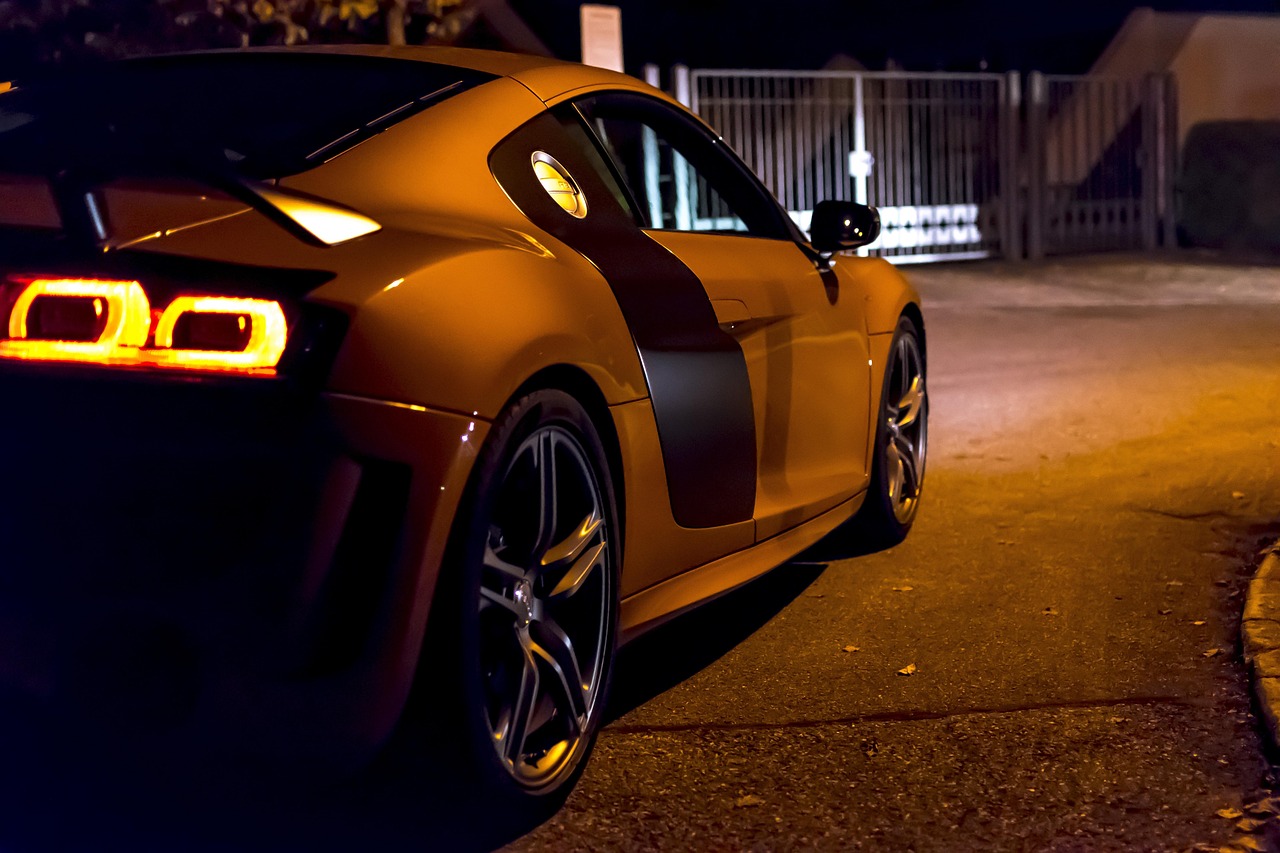
Karma Automotive unveiled the Karma Amiris plug‑in hybrid coupe on Thursday, announcing that production is due to start in the fourth quarter of next year.
Design and powertrain details
The Amiris rides on a modified version of the aluminum spaceframe architecture used for the Revero sedan, Karma’s current flagship model. By reusing the platform, the company hopes to shorten the development timeline. The new coupe replaces the Revero’s turbo‑3 generator with a larger turbo‑4 engine, which also serves as a generator for the plug‑in hybrid system.
Karma says the Amiris can sprint from 0 to 60 mph in under 3.5 seconds, a marginal improvement over the limited‑edition Invictus version of the Revero. The top speed is listed at 165 mph. The vehicle’s hybrid setup allows for electric‑only driving in city traffic, while the gasoline generator extends range for longer trips.
Related: VW sets tough emissions targets for suppliers
Strategic context and production schedule
The Amiris arrives as Karma addresses a gap created by the delay of the Kaveya, a 1,000‑hp all‑electric supercar originally slated for 2026. The company pushed the Kaveya to 2027, citing “changes in the near‑term market demand for EVs.” The Amiris therefore serves as an interim offering, keeping the brand’s lineup active while the high‑performance model is postponed.
Production of the Amiris will be limited to the fourth quarter of next year. This timeline aligns with Karma’s plan to phase out the Revero sedan, which has been in production in various forms since the 2017 model year. The company also announced that the Gyesera, a composite‑bodied sedan unveiled in an all‑electric version last year, will launch with a plug‑in hybrid powertrain using the same platform as the Amiris.
It’s worth noting that the Amiris is part of a broader strategy to keep the brand’s portfolio diverse amid shifting consumer preferences. While the Kaveya targets the ultra‑high‑performance niche, the Amiris aims at buyers who want a sporty coupe with the flexibility of a hybrid drivetrain. This dual‑track approach reflects Karma’s effort to balance ambition with market realities.
From a broader industry perspective, the move highlights how smaller luxury automakers are adapting to the uncertain demand for pure electric vehicles. By offering a hybrid that can still deliver high performance, Karma may appeal to customers hesitant to commit fully to EVs, especially in regions where charging infrastructure is still developing.
Related: Audi launches 2025 A6 Sportback E‑Tron at $67,195
The Amiris also inherits a lineage that traces back to the original Fisker Karma, a vehicle that pre‑dated the Tesla Model S as an early attempt at a luxury green car. Karma Automotive itself emerged from the remnants of Fisker Automotive after its 2013 bankruptcy, with financial backing from Chinese parts supplier Wanxiang. Founder Henrik Fisker left before the company’s rebirth and later founded Fisker Inc., which filed for bankruptcy in 2024 after releasing the Ocean electric SUV.
In addition to the Amiris, Karma has teased several other models over the years, though many have never materialized. The company’s 2023 revamp introduced the Gyesera and the Kaveya as part of a refreshed product line. Earlier this year, Karma indicated that its push to power fleets and commercial vehicles with luxury‑car technology would no longer be a priority, signaling a sharper focus on its core consumer offerings.
Overall, the Amiris represents Karma’s attempt to maintain momentum in a competitive market while handling production delays and shifting consumer expectations. The company’s reliance on an existing platform suggests a pragmatic approach to engineering, aiming to deliver a new model without the delays often associated with entirely ground‑up designs. Whether the Amiris can attract enough buyers to justify its limited production run remains to be seen, but its debut marks a notable milestone for the niche automaker.


