
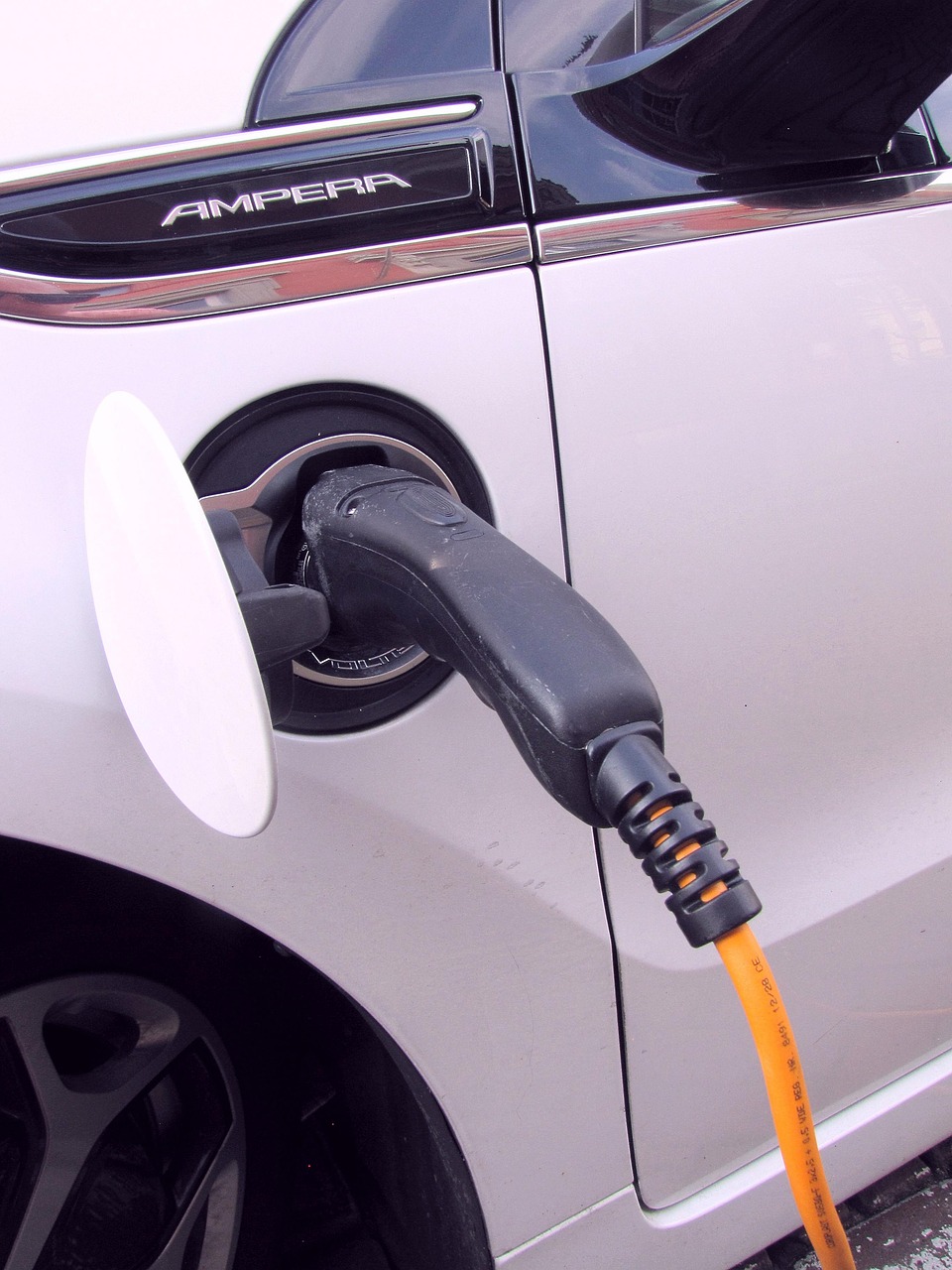
Plug-in hybrids represent both a bridge to fully electric vehicles and an unnecessary layer of cost and complexity. The answer, it turns out, is a bit of both.
For drivers who can plug in daily for their commute but worry about charging on long road trips, these vehicles are designed to offer the best of two worlds. They pair a gasoline engine with a larger battery than a standard hybrid, allowing for meaningful electric-only driving. Fail to charge one, however, and it essentially functions as a heavier, less efficient hybrid.
Whether owners actually plug in regularly is up for debate. A 2022 study from the International Council on Clean Transportation, using U.S. data, found that such vehicles travel 25-65% fewer electric miles than their window stickers suggest. A separate European Commission study concluded they pollute more in real-world driving than regulators assumed. The EPA has acknowledged the gap and proposed a correction factor for its rules. Even so, upcoming regulations all but guarantee more plug-in hybrids will appear on the road.
Related: Southern states poised for most EV range
Better battery tech and California’s emissions rules mean they’ll offer significantly more electric range. Some models are expected to hit 50-70 miles on a charge. Right now, the Range Rover SE Plug-In Hybrid leads with 51 miles. The Toyota Prius Prime (44 miles) and RAV4 Prime (42 miles) are close behind.
Future versions will also try harder to drive like an EV. As long as the battery has some charge, the gasoline engine will stay off, making the electric motor the primary source of power. Automakers are increasingly designing the electric side to be the dominant one.
Honda tries a different route
Honda’s first U.S. plug-in hybrid in years is a bit of an oddity. The 2025 CR-V e:FCEV is available only in California and doesn’t have a gasoline engine. It uses a 92.2-kW hydrogen fuel cell stack to generate electricity for its 14-kWh battery pack, producing 174 hp and 229 lb-ft of torque. You can also plug it in for 29 miles of range—a useful backup given the spotty hydrogen refueling network.
Hyundai and Mercedes refresh their entries
The 2025 Hyundai Tucson Plug-In Hybrid gets sharper styling and a new infotainment screen lifted from the Ioniq 6 EV. Its powertrain is unchanged: a 72-kW motor paired with a 13.8-kWh battery for 33 electric miles. Total system output is 268 hp and 258 lb-ft of torque. A 7.2-kW onboard charger can top off the battery in under two hours on a Level 2 connection.
Related: 2025 Lucid Gravity redefines SUV landscape
Mercedes has entered the fray with the 2025 GLC 350e. It pairs a 2.0-liter turbo-4 with a 24.8-kWh battery pack (23.3 kWh usable) for a net 313 hp and 406 lb-ft of torque. The EPA rates it at 54 miles of electric range. Mercedes claims a 0-60 mph time of 6.2 seconds and offers 60-kW fast charging, which can fill the battery in under an hour. Pricing starts at $61,050.
Jeep and Ram go big on trucks
Jeep surprised the market by being the first to offer a plug-in hybrid truck. The Gladiator 4xe is confirmed for a 2025 arrival, with full details coming later this year. Expect specs similar to the Wrangler 4xe: a 17.0-kWh battery, 21 electric miles, and a combined 375 hp and 400 lb-ft of torque from its 2.0-liter turbo-4 and electric motor system.
The 2025 Ram 1500 Ramcharger takes a different approach entirely. It’s a series hybrid, meaning the gasoline engine has no mechanical connection to the wheels. It acts purely as a generator for the 92-kWh battery pack. Ram claims 145 miles of all-electric range, plus another 545 miles with the engine running. Total output is a staggering 663 hp and 619 lb-ft of torque. It’s expected to hit dealerships in early 2025.
Related: Infiniti QX65 Interior Photos Now Available
Jeep has also confirmed it will add Wagoneer 4xe and Grand Wagoneer 4xe models in 2025, using a similar range-extender setup. That system could improve the all-wheel-drive capabilities of these large SUVs.
Porsche and Volvo play to their strengths
Porsche’s 2025 Panamera Turbo S E-Hybrid returns as part of the redesigned third-generation lineup. It pairs a twin-turbo 4.0-liter V-8 with a 25.9-kWh battery pack for a combined 771 hp. That’s good for a 0-60 mph sprint in 2.8 seconds and a top speed of 202 mph. Electric range should exceed the previous model’s 20 miles.
Volvo has refreshed its XC90 T8, calling the new model a “2025.5” version arriving in Q1 2025. It gets a new grille and an interior overhaul borrowed from the EX90. Volvo calls the XC90 T8 “an electric car with a backup plan.” The gasoline engine produces 310 hp and 295 lb-ft of torque, while the electric motor adds 145 hp and 228 lb-ft. The company anticipates 33 miles of EPA-rated electric range.


