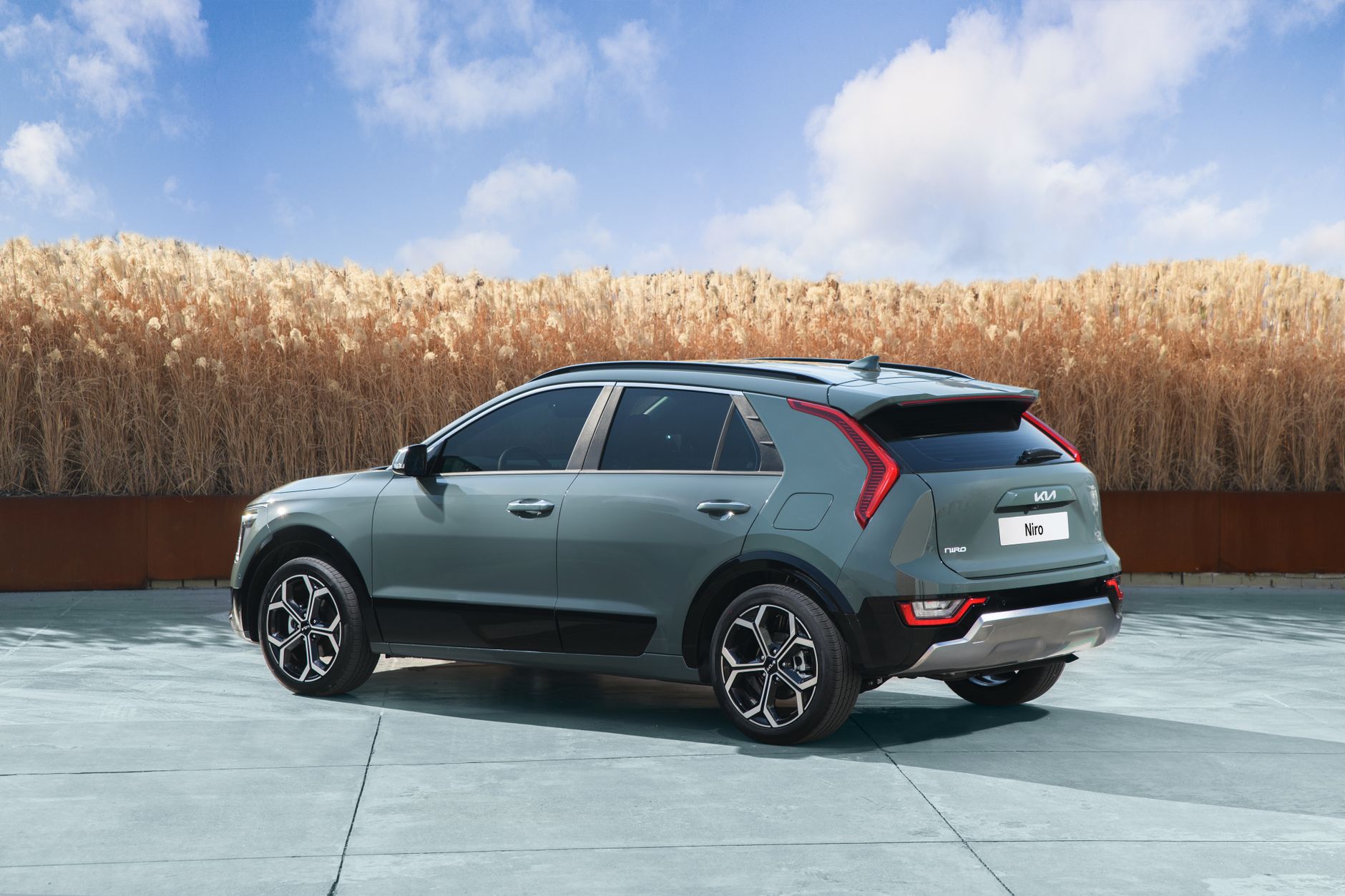
Kia is recalling 10,687 Sorento hybrid and plug-in hybrid SUVs due to a software issue that could cause their headlights and taillights to fail without warning.
Software glitch triggers momentary blackout
A logic error in the body domain control unit may cut power to the lights under certain conditions, the National Highway Traffic Safety Administration stated. Even a brief loss of illumination could reduce visibility for the driver and make the vehicle harder for others to see, increasing the risk of a crash.
The recall affects 8,937 Sorento Hybrid models and 1,750 Sorento Plug-in Hybrid crossovers, all from the 2025 model year. These refreshed versions introduced redesigned headlights and taillights. Kia has ruled out hardware defects, confirming the issue lies only in the control unit’s software.
Hybrids refreshed a year later than gas models
The non-hybrid Sorento received its update for the 2024 model year, while hybrid versions followed in 2025. No changes were made to the hybrid powertrain, though the EPA-rated fuel economy for the Sorento Hybrid fell by 1 mpg to a combined 36 mpg. The plug-in hybrid’s electric range remains unconfirmed but is expected to stay at 32 miles.
Pricing shows a sharp increase. The plug-in hybrid now costs $10,000 more than it did three years ago. Federal tax credits no longer apply, and Kia has raised prices multiple times since the model’s launch.
The 2025 Sorento PHEV was recalled earlier this year for a fuel-leak issue. That recall, like this one, involved no reported crashes or injuries.
Dealerships will update software at no cost
Kia will notify owners by mail starting February 21. The repair involves a software update that must be performed at a dealership. The automaker has not reported any incidents related to the lighting failure but is addressing the problem before issues arise.
Owners can contact Kia’s customer service line at 1-800-333-4542 and reference recall number SC331 for details.
Even small software flaws can create serious safety risks. A sudden loss of visibility, especially at night or in bad weather, makes this issue important. Kia’s decision to act before incidents were reported reflects a careful approach, though some owners may have already encountered the problem without recognizing its cause.
The company is urging affected owners to schedule the update as soon as they receive notifications. While the software patch is free, the dealership visit may inconvenience some drivers.
This recall follows a broader trend in the industry as automakers shift toward electric and self-driving cars, where software reliability becomes critical.


