
Lucid Motors, an electric vehicle manufacturer, grapples with substantial financial hurdles while leveraging its industry-leading engineering prowess. Backed by Saudi Arabia’s sovereign wealth fund, the company has earned renown for its efficient powertrains and battery technology, yet faces cash burn issues as it seeks to expand production beyond its luxury sedan line.
Saudi Backing and Industry Partnerships
Saudi Arabia’s Public Investment Fund (PIF) holds a majority stake in Lucid and has repeatedly injected billions to keep operations running. This investment aligns with Saudi Vision 2030, aiming to diversify the kingdom’s economy away from oil. Unlike other EV startups, Lucid enjoys this financial runway, setting it apart from those that have collapsed without similar backing.
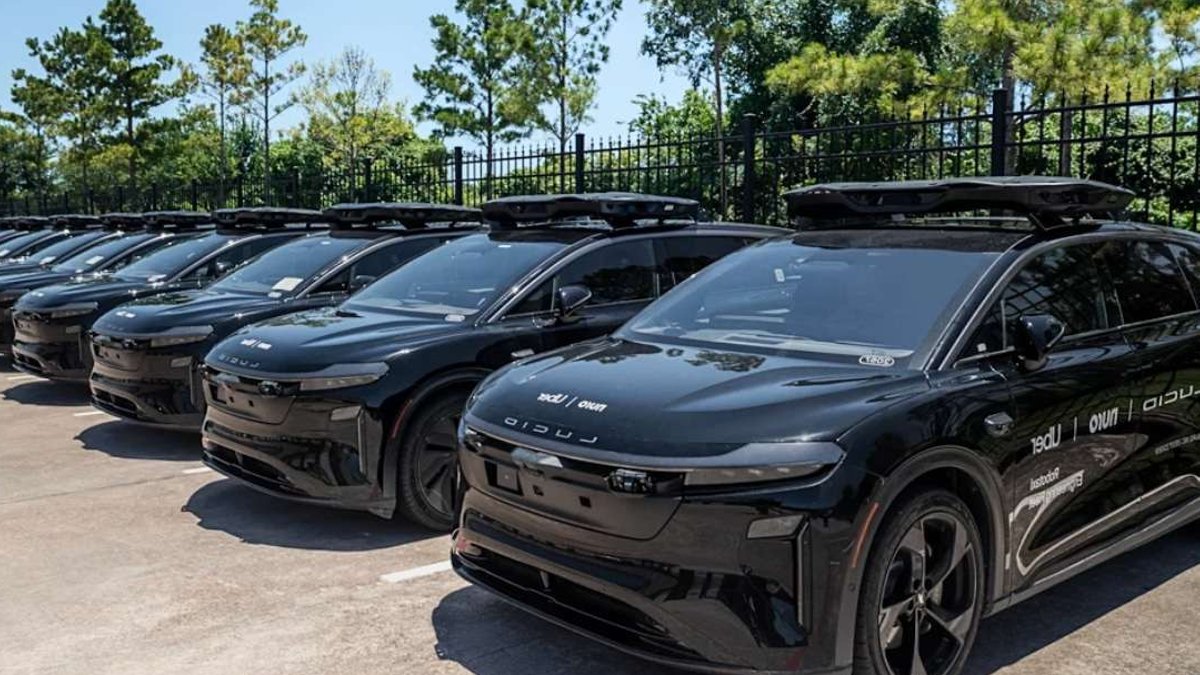
Beyond government support, Lucid has secured commercial agreements that validate its hardware capabilities. It supplies motors to Aston Martin and has fleet deals with Uber and Nuro involving autonomous Gravity robotaxis. These partnerships demonstrate that established automakers and tech firms recognize the value of Lucid’s engineering, despite its profitability struggles.
Related: Lexus IS 350 F Sport Shows Sport Often Demands Sacrifice
Three Potential Paths Forward
Analysts tracking Lucid see three potential futures. The most immediate is a midsize vehicle platform launch in 2026 or 2027, priced between $48,000 and $50,000, positioning it against the Tesla Model Y and Rivian R2. This represents Lucid’s best chance to achieve mass-market manufacturing scale.
A second strategy involves shifting away from pure vehicle manufacturing towards licensing Lucid’s powertrain technology to other automakers. This approach emphasizes Lucid’s strength in efficient electric drivetrains and battery management systems, reducing capital requirements compared to building a broader model lineup.
The third option involves a PIF buyout of remaining public shares, taking Lucid private. If market valuations remain depressed and retail investor sentiment fails to improve, PIF could remove Lucid from quarterly public reporting, allowing leadership to focus on a longer-term technology roadmap.
Related: World’s Fastest SUVs Face Off in Drag Race
The success of the midsize platform hinges on cost targets that determine its viability in direct competition with Tesla. If the vehicle can’t hit its $48,000 to $50,000 price point with acceptable margins, Lucid may need to reconsider its mass-market strategy and lean more into technology licensing.
Cash burn persists as production ramps up and factory operations expand. The luxury sedan market, where Lucid established its reputation, is relatively narrow, and high-priced EVs have faced demand headwinds industry-wide. Retail shareholders have experienced significant dilution due to capital raises to fund ongoing operations.
Lucid’s brand appears likely to endure, given Saudi Arabia’s interest in maintaining domestic EV manufacturing and the associated prestige. The more uncertain question is whether Lucid can sustain its current business model as an independent public company or evolve into primarily a technology supplier for other manufacturers. The midsize platform launch will provide the clearest indication of Lucid’s direction.


