
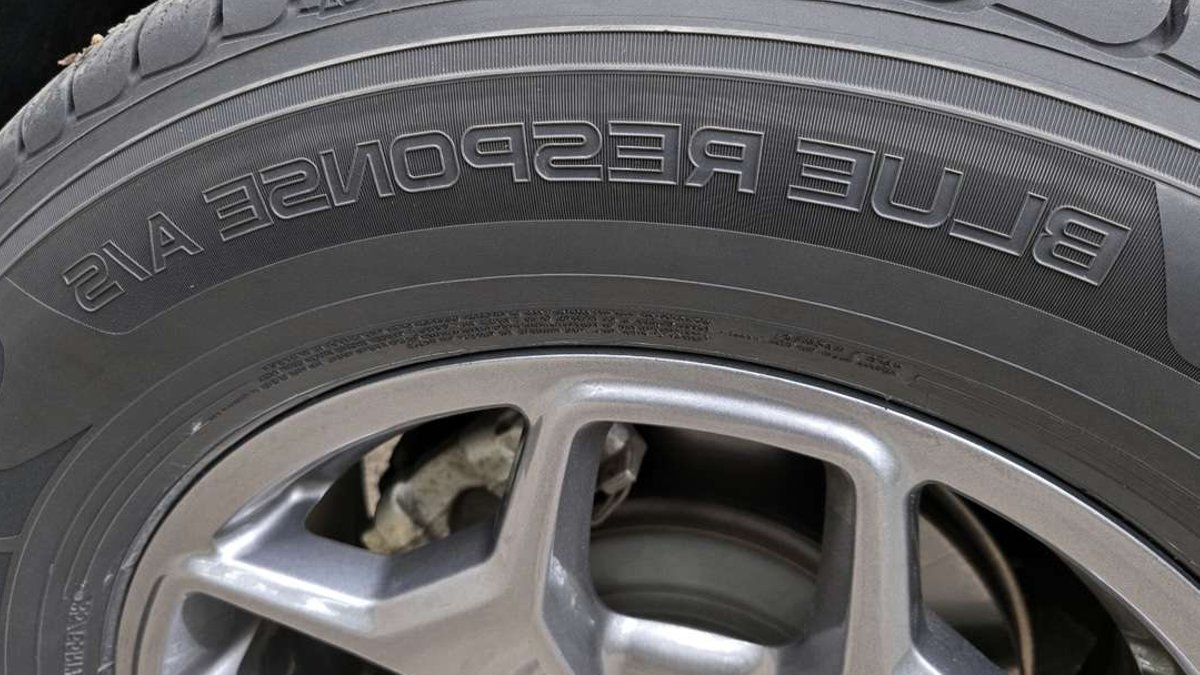
Testing the Dunlop Blue Response A/S on a Ford Bronco Sport Badlands in New Hampshire has produced a clear set of observations. The tire, marketed as a premium touring all‑season model, was run on both highways and rural roads for the first few hundred miles. Results focus on noise, comfort, handling, wet grip, unpaved‑road behavior, fuel use, price and warranty. Early data suggest the model could be a strong contender in the crossover segment.
Noise reduction and cabin comfort
On open highways the new Dunlop proved markedly quieter than the previous Falken WildPeak A/T3W. The all‑terrain unit produced a low, steady hum that rarely rose above conversation level, while the Dunlop’s sound stayed well below that threshold.
Rural routes with windows down highlighted the contrast even more. The coarse rumble typical of an aggressive tread vanished, replaced by a subtle background noise that did not distract the driver or passengers.
Combined with reduced cabin noise, the overall ride felt calmer. The quieter environment contributed to a perception of increased comfort, especially during longer cruises where chatter and music could be heard without competing with tire noise.
Ride quality on rough surfaces
The tire’s round‑profile design helped absorb impacts from frost heaves and broken pavement common in central New Hampshire. Instead of sharp jolts, bumps arrived as softened thuds, making the ride feel less harsh.
After each impact the sidewall settled quickly rather than continuing to drum. This rapid damping reduced the sensation of vibration and kept the vehicle stable through uneven sections.
Related: Rivian Driver Shows Tow Crew Desert Tire Procedure
Because the model is an all‑season touring tire rather than a rugged off‑road design, it delivers a smoother experience on typical road irregularities. Drivers who spend most of their time on paved surfaces may find the trade‑off worthwhile.
Handling trends and wet traction
On dry pavement the vehicle showed a modest improvement in turn‑in response. Steering felt crisper, and the car tracked confidently through sweepers without the vague float that an all‑terrain block can introduce.
The most noticeable change involved torque steer. With the Falken set, the Badlands required frequent micro‑corrections under power, especially uphill. The Dunlop’s contact patch delivered a steadier feel, making the wheel corrections almost disappear.
For many crossover owners, a predictable steering response translates into less fatigue on daily commutes. When the tire’s design reduces the need for constant adjustments, drivers can maintain a relaxed posture, which may improve long‑distance comfort.
Wet‑road performance benefited from the 3D waveform grooves. These channels are intended to keep water away from the contact patch as the tread wears, and early testing confirmed consistent hydroplaning resistance.
Braking and cornering in heavy rain felt steady, with no unsettling loss of grip on puddles. Even at highway speeds, the tires showed no sign of hydroplaning, allowing confident acceleration through wet sections.
Related: Tesla Cybertruck Owners Declare Their Love For The Vehicle
Unpaved roads and fuel efficiency
On municipality‑maintained dirt roads the tires provided more grip than anticipated. While the driver expected a slightly greasy feel, the Dunlop behaved similarly to the Falken on loose surfaces, offering a solid yet playful connection.
Occasional sidewall contact with rocks did not cause immediate damage, and the vehicle’s spare‑tire setup remained a safety net. The test driver noted that a modest amount of slip added fun to cornering on isolated backroads.
Fuel consumption was measured after roughly 300 miles of mixed driving. Both the new Dunlop and the worn Falken recorded an average of 27.2 MPG, indicating no penalty despite the newer, potentially heavier construction.
Historically, new tires can cause a slight dip in economy, but the Blue Response A/S held steady. Anticipated gains over time may arise as the tread warms and the tire settles into its optimal operating range.
Pricing and fitment
In the standard OEM size of 225/65R17, the Dunlop listed at $174 per tire. Competing premium all‑season models from Goodyear and Michelin priced at $190 and $205 respectively, making the Dunlop the most affordable among its peers.
Overall, early findings suggest the Dunlop Blue Response A/S delivers a quiet cabin, comfortable ride, confident handling and competitive pricing. Continued mileage will reveal how the tire’s performance evolves, but the initial data position it as a strong all‑season option for crossover and SUV owners.


